Printways India manufactures custom-printed mono cartons in India for the world, developed around your product size, paperboard, artwork, finish and packing method for repeat orders across India.
Send the actual product, an existing carton or the size and expected quantity to begin the discussion.
Product specificationMade to order
Size
Custom to product dimensions and packing clearance
Board
Selected around stiffness, surface, creasing, packing and end use
Print
Commercial offset printing with process and spot colours
Structures
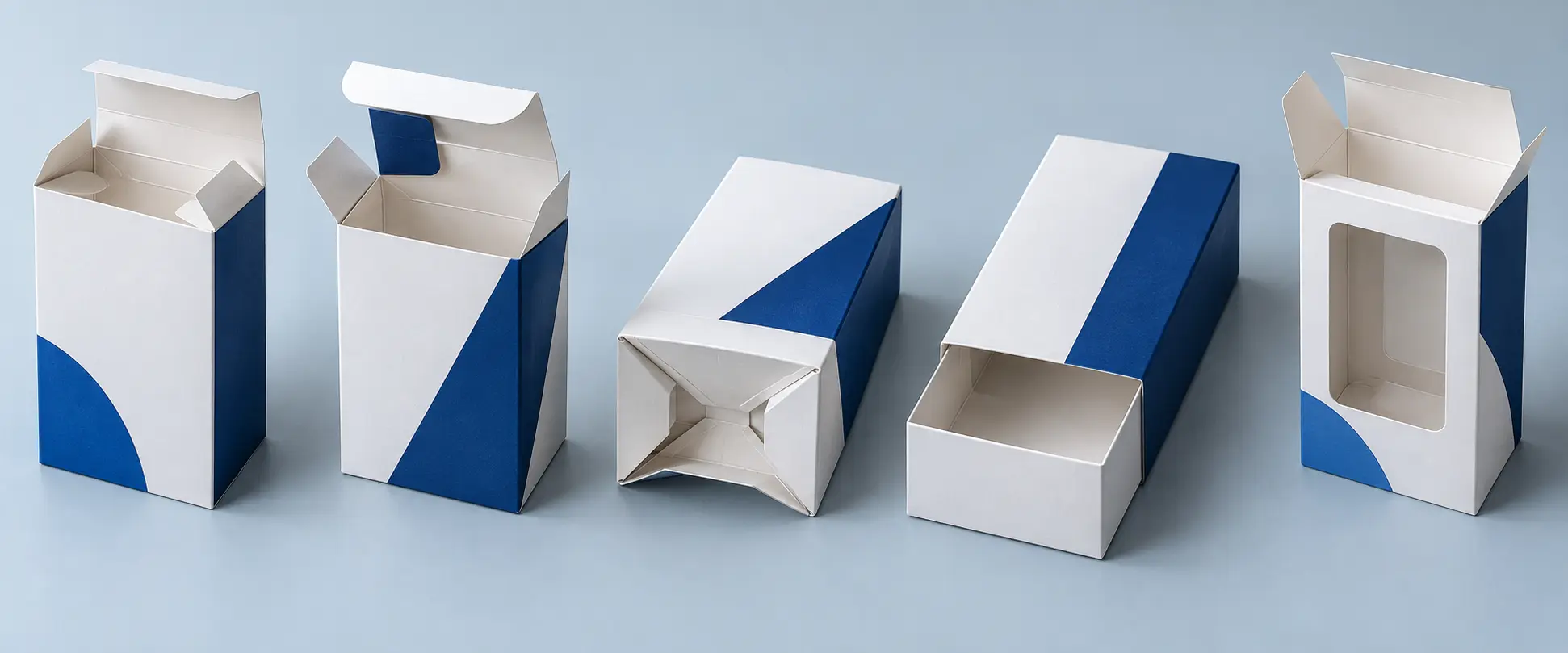
Straight tuck, reverse tuck, auto-lock, sleeve, window and custom structures
Finishing
Coating, lamination, foil, embossing, spot UV and die-cut windows
Since 1982Printing and packaging experience
Heidelberg printingCommercial offset production
Bobst convertingDie-cutting, folding and pasting
Bawana, DelhiIn-house manufacturing
Start with the basics
What is a mono carton?
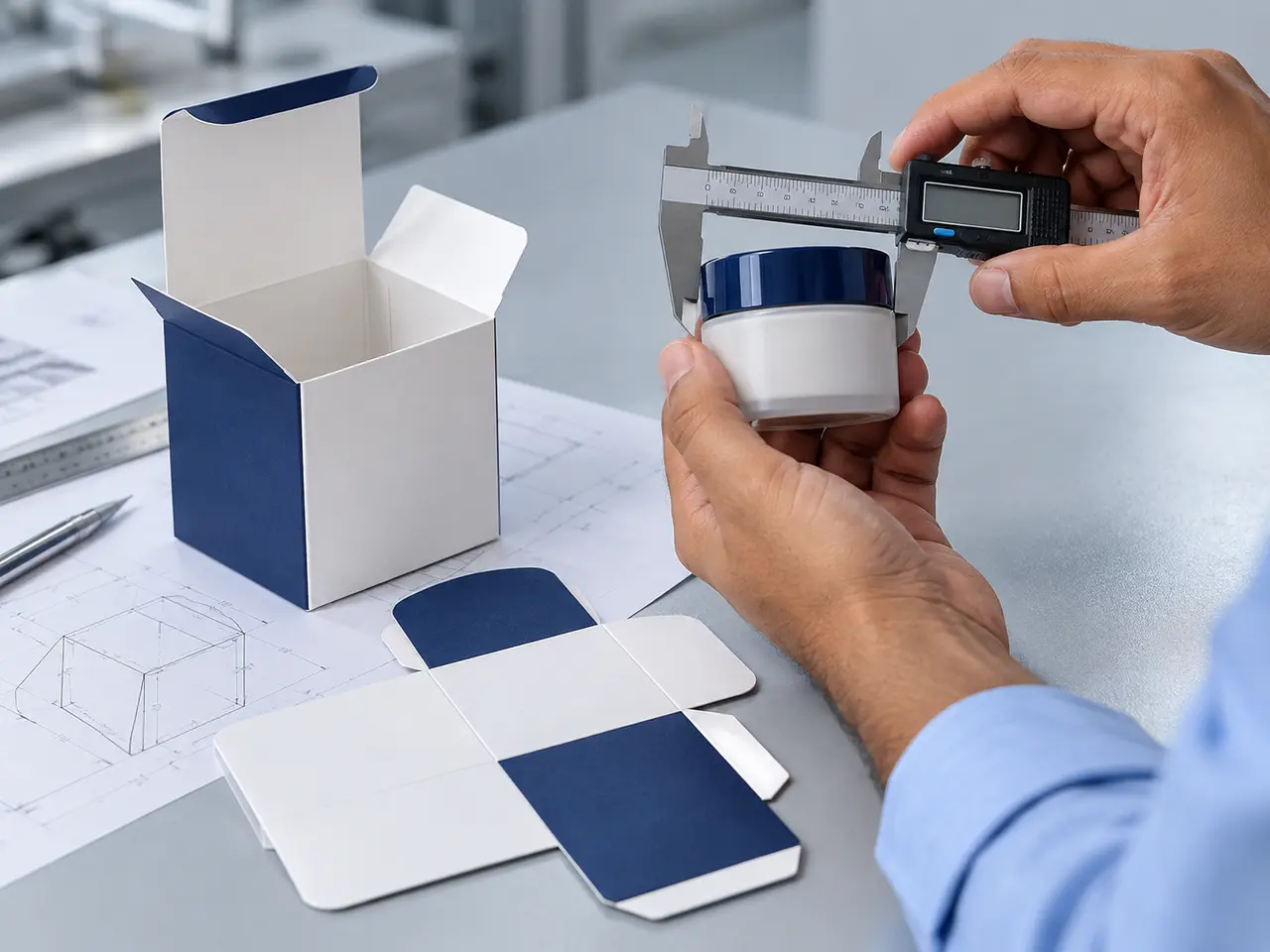
A mono carton is a folding box made from paperboard. It begins as a flat printed sheet, then moves through finishing, die-cutting, creasing, folding and pasting before it reaches the packing line.
What the finished carton does
The finished carton may present the product on a shelf, carry information, group a primary pack or add a practical layer of secondary protection. Its exact job should be decided before the artwork is finalised.
Flat-sheet construction converted into a finished carton
Custom structure, artwork and surface finish
Supplied according to the approved packing format
Common uses
Retail and shelf presentation
Product information and identification
Grouping or covering a primary pack
Secondary product protection
Mono cartons and corrugated boxes serve different purposes.
Both are paper-based packaging, but they normally solve different jobs in the pack system.
Mono / folding carton: Paperboard pack commonly used for retail presentation, product information and secondary protection.
Corrugated box: Fluted-board outer commonly used for grouped handling, storage, stacking and distribution.
Carton decision desk
Four decisions shape the finished carton.
Use the tabs to see how product fit, structure, artwork and repeat ordering affect the finished carton.
The carton starts with what goes inside it.
Product dimensions, filled weight, the primary pack and the way operators load and close the carton influence the internal fit, board choice, closure and packing speed.
Send the actual product or an accurate sample whenever possible.
Configure the carton
Structure, board and finish should work together.
Compare structures, board considerations and finishes. Final selection depends on the product, artwork, packing method, order quantity and approved sample.
Choose the closure around the packing method.
Carton structure affects packing, closure security, presentation and the way the pack behaves during handling.
Straight tuck endTop and bottom tuck flaps close in the same direction. It is frequently considered where a clean front-and-back presentation and straightforward packing are useful. Check before approval: Product weight, tuck security and packing orientation.
From brief to carton
From approved artwork to finished carton.
A good result depends on the handover between stages. A structural or artwork decision made early can affect every operation that follows.
01
Understand
Product, dimensions, quantity, existing pack, finish and delivery requirement.
02
Develop
Dieline, closure, board and packing method considered together.
03
Prepare
Panels, artwork, colour, barcode and finishing layers reviewed for production.
04
Produce
Approved artwork printed to the agreed production specification.
05
Cut & paste
Finishing, die-cutting, creasing, stripping, folding and gluing as required.
06
Inspect
Finished cartons checked against the approved job requirement before dispatch.
Starting a project
Send what you already know.
You do not need a finished technical specification to begin. An existing carton or the actual product can often give the team a better starting point than a long message.
For pharmaceutical, food-contact or other regulated applications, product-specific material, legal and approval requirements should be confirmed by the brand before commercial production.
01
Actual productOr accurate length, width, height and filled weight.
02
Existing cartonSample, photograph or dieline if one exists.
03
Artwork statusFinal artwork, draft artwork or content requirements.
04
Order quantityRequired quantity for each SKU or version.
05
Packing methodManual or automated erection, filling and closure.
06
Delivery locationDestination and planned delivery schedule.
Explore by application
See how cartons change by industry.
The same carton format can face different artwork, information, packing and distribution requirements depending on the product category.
In common Indian packaging usage, “mono carton” usually refers to a printed paperboard folding carton. “Folding carton” is the broader technical term. The board, structure and converting process still depend on the application.
There is no single structure that suits every product. Product dimensions, weight, packing method, closure security, opening experience and production requirements should be reviewed before selecting straight tuck, reverse tuck, auto-lock, sleeve, window or a custom structure.
Yes, an actual product or accurate physical sample can be used as a starting point for dimensions and structural discussion. Final material, artwork and commercial requirements still need approval before production.
Spot colours and approved colour references can be considered during prepress and printing. The visible result is also influenced by the paperboard surface, coating, lamination and viewing conditions.
Depending on the job, options may include matte or gloss lamination, soft-touch lamination, foil stamping, embossing, debossing, spot UV, coatings and die-cut windows. Feasibility should be checked around folds, creases, glue areas and production quantities.
Send the carton size or actual product, required quantity by SKU, artwork or existing sample, board or finish preference if known, packing method and delivery location. If details are incomplete, send the current pack and begin from there.
Mono carton requirement
Start with the product, sample or current carton.
Share the size, quantity, artwork status and delivery location. Our team will review the requirement and tell you what is needed to move forward.